For a while, one of the studies we pointed parents toward was a 2024 trial from India that seemed to strengthen the case for folinic acid in autism. In January 2026 the journal retracted it. If you've read older versions of our pages, or the older version of our protocol document, you saw that study cited. It's gone now, and we think you deserve to know why rather than to notice it quietly disappear.
What the retracted trial reported
The study was Panda and colleagues, published in the European Journal of Pediatrics in 2024. It was set up as a randomized, double-blind, placebo-controlled trial of oral folinic acid in children with autism spectrum disorder, with roughly 80 participants. On paper it reported benefit, and because it was larger than most trials in this small field, it got cited a lot, including by us.
Why it was retracted
Researchers at Geisinger, Challman and Myers, went through the published data and found inconsistencies in the data tables. When the journal looked into it, it couldn't replicate the reported results, and a recalculation turned the significant findings non-significant. In January 2026 the European Journal of Pediatrics retracted the paper. PubMed now carries the "Retracted Publication" flag on it (PMID 39243316).
A retraction isn't a typo being fixed. It means the published conclusions can't be trusted as they stand, and the honest thing is to treat the study as if it isn't there. So that's what we did. We pulled every mention from this site and corrected our protocol document.
What still stands
Losing a study feels like losing ground, and we won't pretend the remaining evidence is larger than it is. But the case for folinic acid never rested on that one paper. Several controlled trials remain, and they're the ones worth knowing.
The anchor is Frye and colleagues in Molecular Psychiatry, 2018: 48 children with autism and language impairment, twelve weeks, folinic acid against placebo, properly double-blind. Verbal-communication scores improved about 5.7 standardized points more than placebo overall, and about 7.3 points in the children who tested positive for folate-receptor antibodies, where 65% responded versus 24% on placebo.
Around it sit smaller controlled trials. Renard's EFFET pilot in France used a fixed 5 mg twice a day and saw a larger drop in ADOS scores than placebo. Batebi added folinic acid at 10 mg a day to risperidone and reported less inappropriate speech and hyperactivity than risperidone alone. Zhang's 2025 trial in Nutrients found that the response to high-dose folinic acid tracked with folate-metabolism gene variants. And the 2021 systematic review and meta-analysis by Rossignol and Frye pooled the wider literature and reported the strongest gains in antibody-positive and younger children.
How we see it
We're a supplement company writing about the evidence for our own category, so read this with appropriate suspicion. Here's our honest read: even with Panda 2024 removed, folinic acid is still the one folate form with controlled-trial support in this population. What changed is not the direction of the evidence but its weight, and that weight was never heavy.
Outside experts have said as much, sharply. After the retraction, The Transmitter reported that only five randomized trials of oral folinic acid in autistic people had existed, and that the four remaining ones "have received many criticisms, including that they were not blinded properly and had small sample sizes," with one expert calling the quality of the research "uniformly poor." EBSCO's evidence-review service put it that the body of work is "far too weak" to support routine clinical use without more rigorous studies. We think both statements are fair, and we'd rather you hear them from us.
How to read a small trial (and what it means in practice)
A few habits protect you here. Look at how many children were actually in a study, because "significant" in a group of 40 is a different animal than in a group of 4,000. Check whether it was blinded and placebo-controlled, since unblinded trials tend to flatter whatever's being tested. Notice who responded, rather than only whether the average moved; in this research the antibody-positive children carry most of the effect. And treat any single paper as one data point, never as a promise.
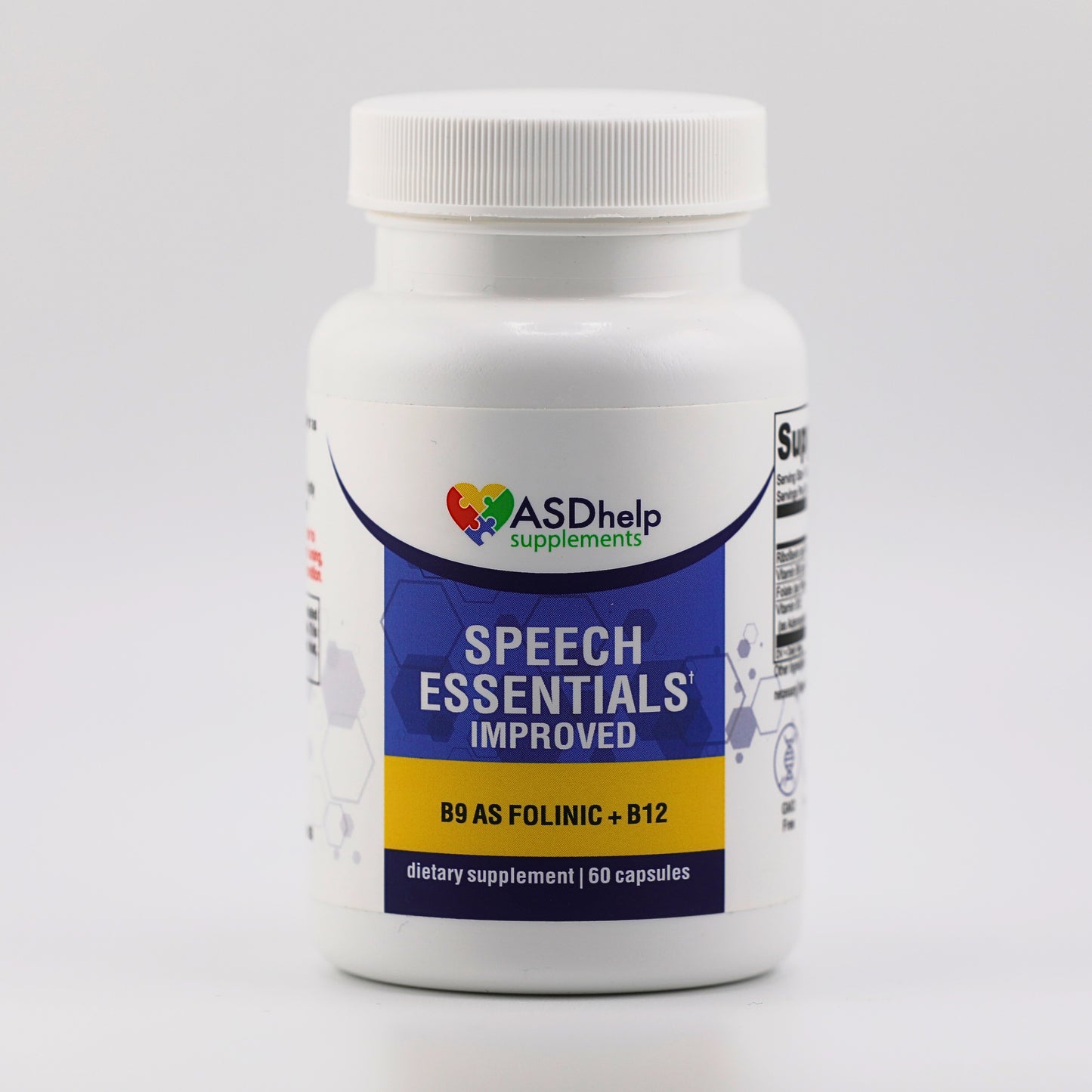
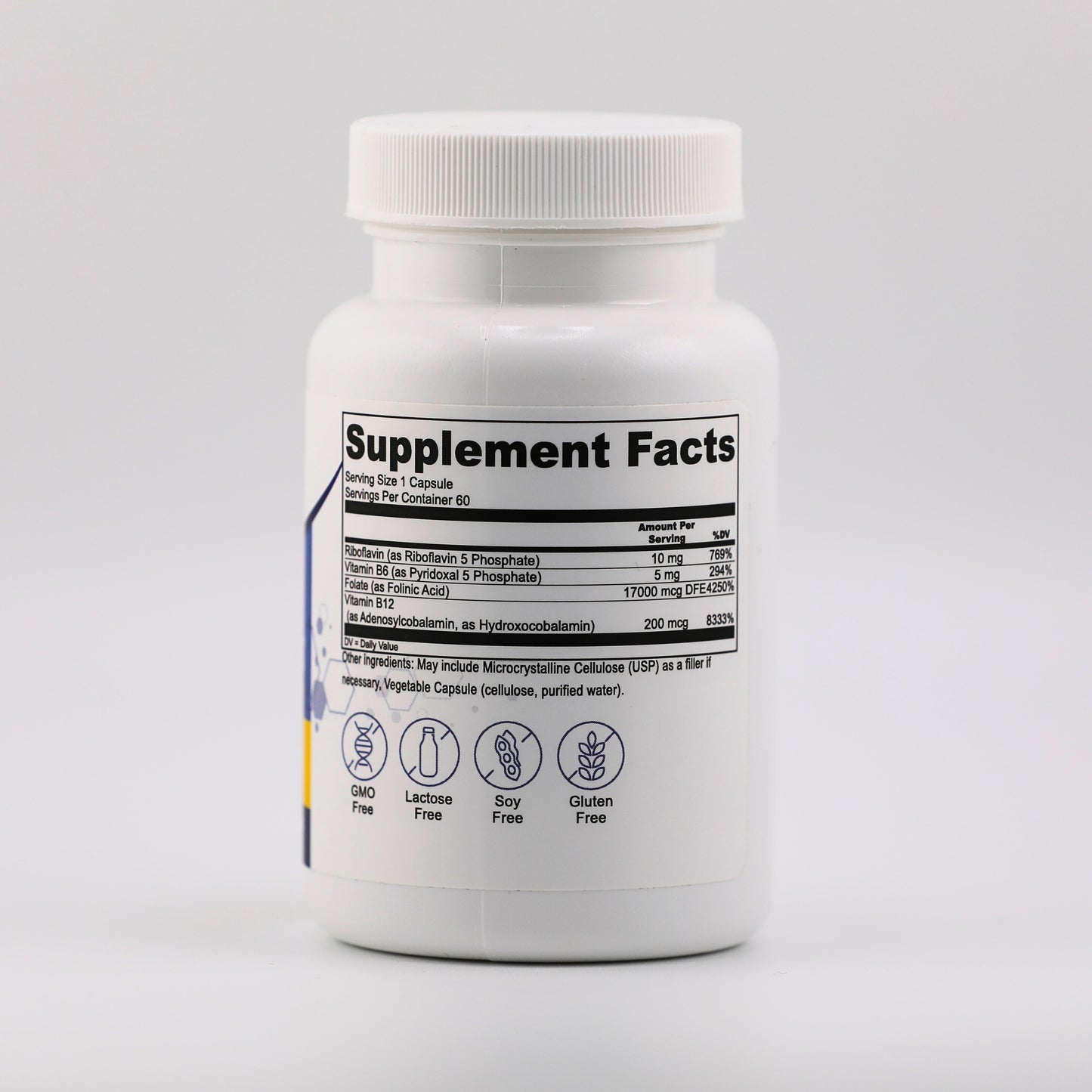
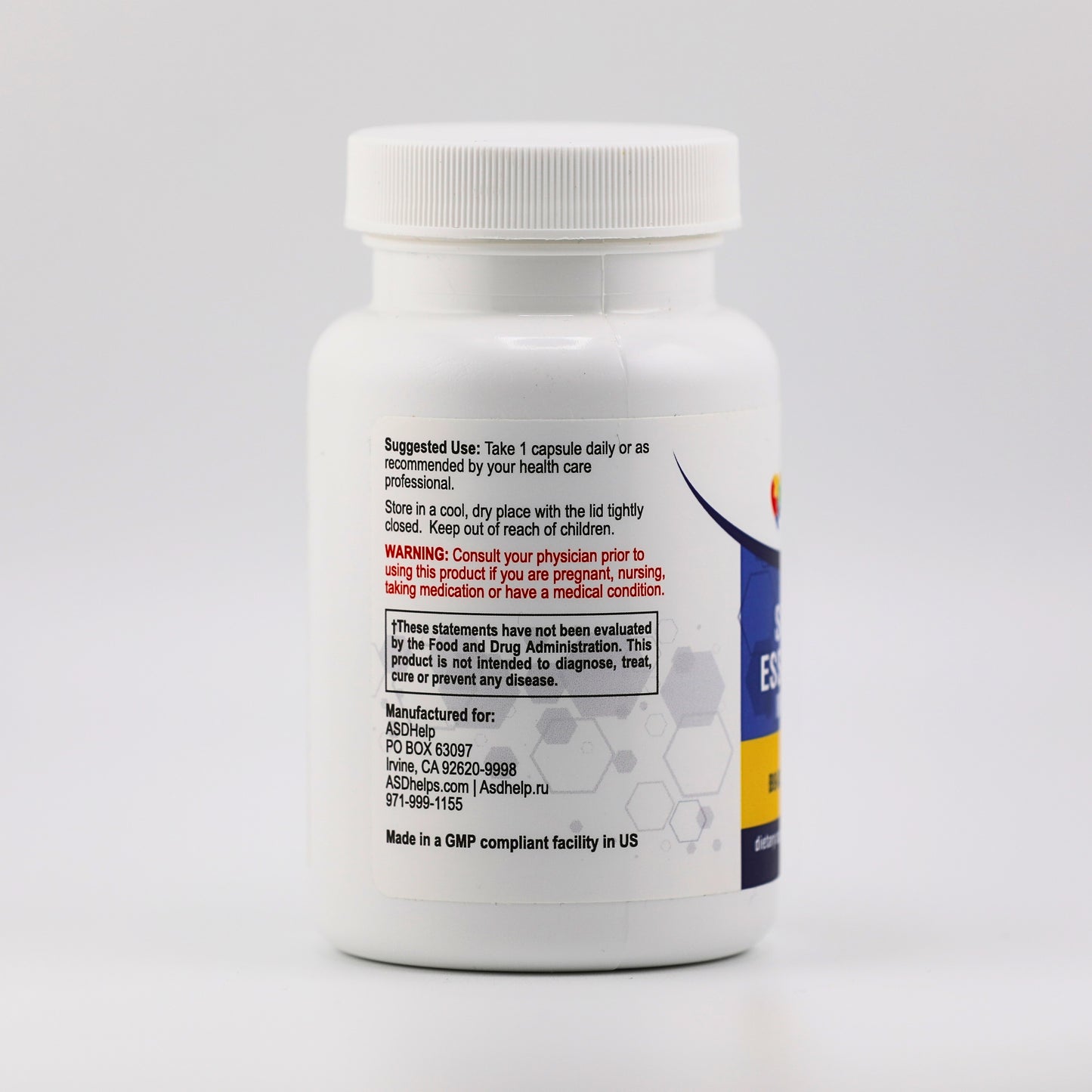
That last habit is the one that matters most for a parent choosing what to do. The practical takeaway hasn't changed with the retraction: folinic acid has real but limited controlled-trial evidence, the likely responders are a subgroup, and the sensible path is a supervised trial with something you can measure, not a leap of faith. If you decide with your clinician to try it, our Speech Essentials line is built on this same research base, and we link the honest limits right alongside it; start with the formula guide.
Questions to take to your doctor
Ask how much of the folinic acid evidence applies to a child like yours, given the small samples and the subgroup effect. Ask whether testing for folate-receptor antibodies would sharpen the decision. If you've read a study somewhere that sounds definitive, ask your doctor to help you check whether it's been retracted or criticized, because it isn't always obvious from a headline. And agree in advance on what you'll measure and when you'll call it either working or not.
Sources
Panda PK et al. Eur J Pediatr 2024 (PMID 39243316), RETRACTED January 2026 after data-table inconsistencies and a failure to replicate the results; we do not cite it as evidence · Frye RE et al. Mol Psychiatry 2018, PMC5794882 · Renard E et al. Biochimie 2020, PMID 32387472 · Batebi N et al. Child Psychiatry Hum Dev 2021, PMID 33029705 · Zhang C et al. Nutrients 2025, PMID 40362912 · Rossignol DA, Frye RE. J Pers Med 2021, PMC8622150 · The Transmitter, February 2026 · EBSCO EBM Focus.
These statements have not been evaluated by the Food and Drug Administration. Speech Essentials is a dietary supplement and is not intended to diagnose, treat, cure or prevent any disease. This article is educational and is not medical advice.