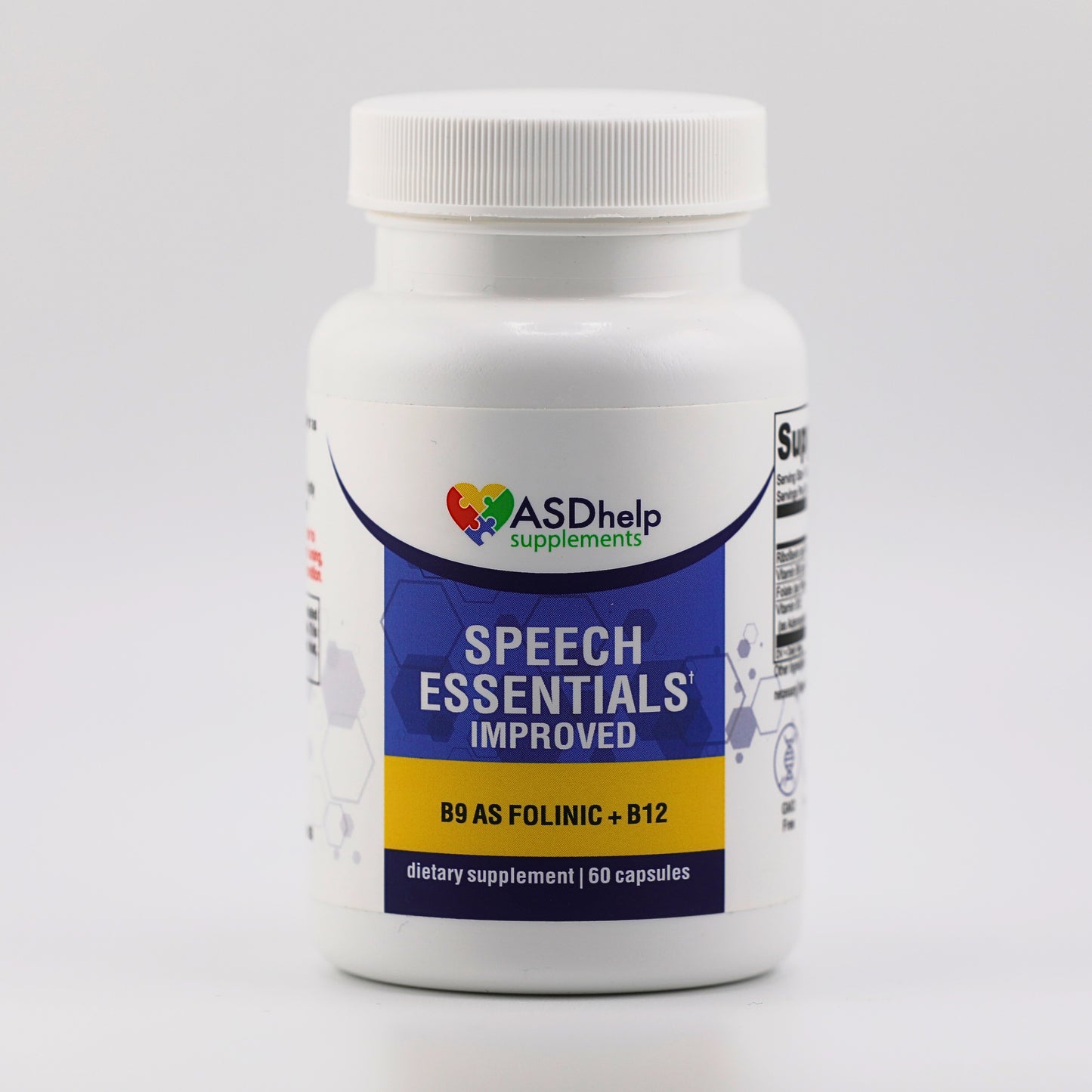
Folate gets most of the attention in this research, but it doesn't work alone. Once folate reaches the brain, vitamin B12 is what lets it finish the job, and study after study has found B12 running low in autistic children, in the blood and in brain tissue itself. So a folate formula that ignores B12 is only telling half the story. The harder question, and the one most product pages skip, is which B12.
What the research found
Start with the brain itself. A 2016 postmortem study by Zhang and colleagues measured B12 directly in brain tissue and found methylcobalamin and adenosylcobalamin more than three-fold lower in autistic brains than in age-matched controls. Lower methylcobalamin tracked with reduced methionine synthase activity and higher homocysteine, which reads as stalled methylation rather than a stray low number on a chart.
The pattern holds across studies, not one lab alone. A 2021 meta-analysis by Rossignol and Frye pooled 17 B12 studies and reported a standardized mean difference of −1.61 in autism versus controls, which is a large effect as these things go. A 2025 review by Zwierz and colleagues reported the same −1.61 for autism and added a smaller but real gap in ADHD, at −0.39. And in an open-label study by James in 2009, methylcobalamin combined with folinic acid improved glutathione redox status, a hint that the two nutrients do more together than either does alone.
Three forms, three jobs
Here is where "B12" stops being one thing.
Adenosylcobalamin is the mitochondrial form. It's the cofactor for an enzyme called methylmalonyl-CoA mutase, and it supports energy metabolism and myelin, the insulation on nerve fibers. Mitochondrial function is often impaired in autism, which is a reason to want this form in the mix.
Hydroxocobalamin is the depot form, the one the body itself produces and stores. It has high bioavailability and a long half-life, and it converts slowly onward into both of the other active forms. Think of it as a steady reserve that the body draws down at its own pace, rather than a fast hit.
Methylcobalamin is the form that carries the strongest controlled-trial evidence in autism, and we're not going to hide that. The catch is that in the research it's the injected version, given under a doctor's care, that produced those results. That's a clinical procedure, not what belongs in a daily capsule.
Why our labels don't list methylcobalamin
This is also where we clean up a mistake, in public, because you deserve the accurate version.
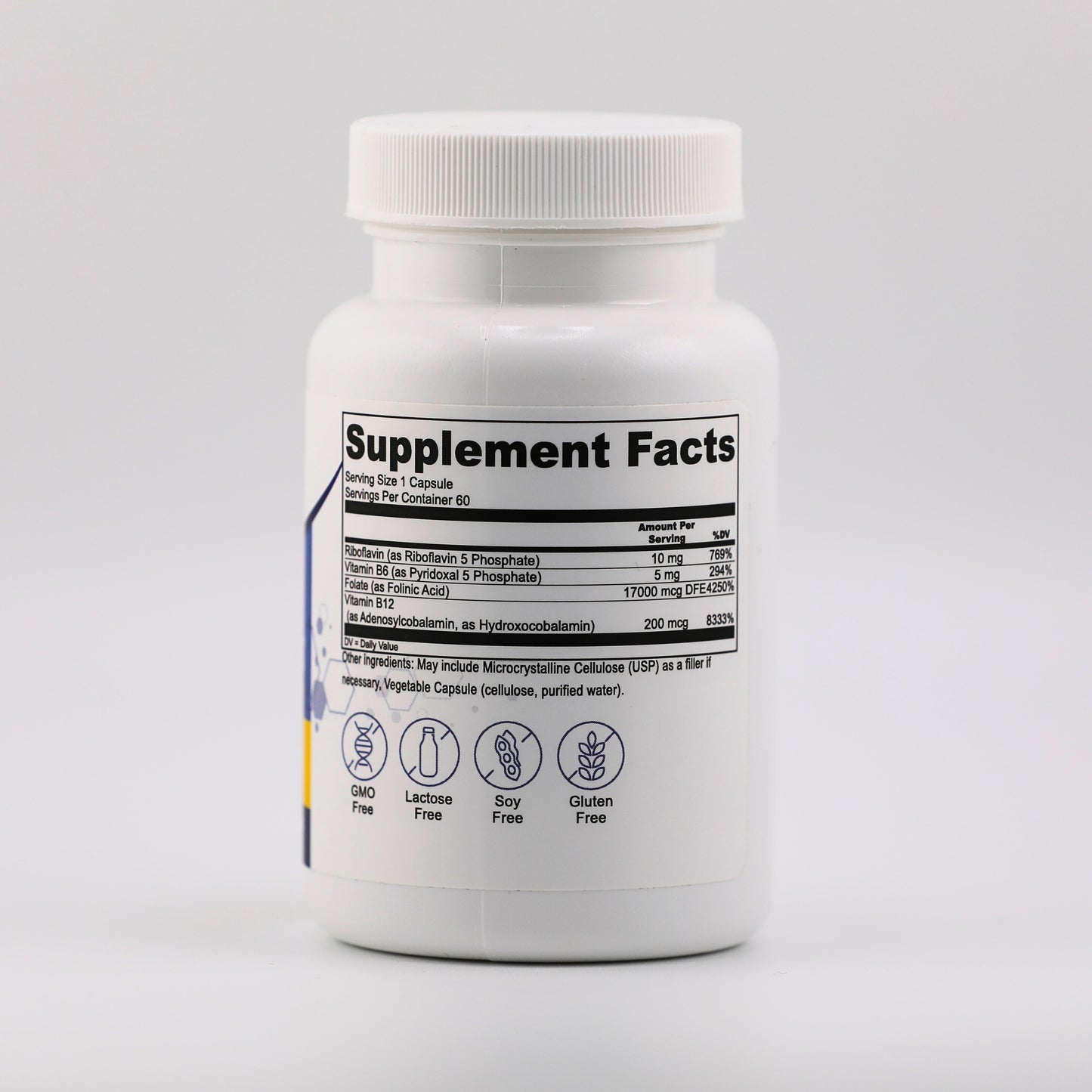
For a long time the marketing copy on our product pages mentioned methylcobalamin as a B12 form. The actual "Supplement Facts" panels never did. Speech Essentials Improved contains adenosylcobalamin and hydroxocobalamin; the Pro version contains adenosylcobalamin only. Neither contains methylcobalamin. That older website text was carried over from a template, and if you ever bought based on it, we're sorry for the confusion. The rule to remember with any supplement, ours included: trust the facts panel, not the description.
There's a real reason behind the choice, beyond the labeling quirk. Hydroxocobalamin converts into methylcobalamin (and adenosylcobalamin) inside the body, at the body's own rate, which suits children who react to more stimulating forms. Pairing it with adenosylcobalamin covers the energy side at the same time. So the Improved formula reaches the methylation pathway by conversion rather than by dropping in the finished form directly.
How we see it
We sell these formulas, so weigh this accordingly. Our honest position is that including B12 alongside folinic acid is well justified by the evidence, and that the adenosyl-plus-hydroxo combination is a defensible, gentle way to do it. We think it's the right default for most children starting out.
We won't oversell it. The strongest B12 trial data are for injected methylcobalamin, not any oral form, and much of the oral-B12 evidence is described by the researchers themselves as preliminary. A capsule that converts hydroxocobalamin onward is a reasonable everyday choice; it isn't the same as the studied injection, and we won't pretend it is.
What it means in practice, and a safety note worth the space
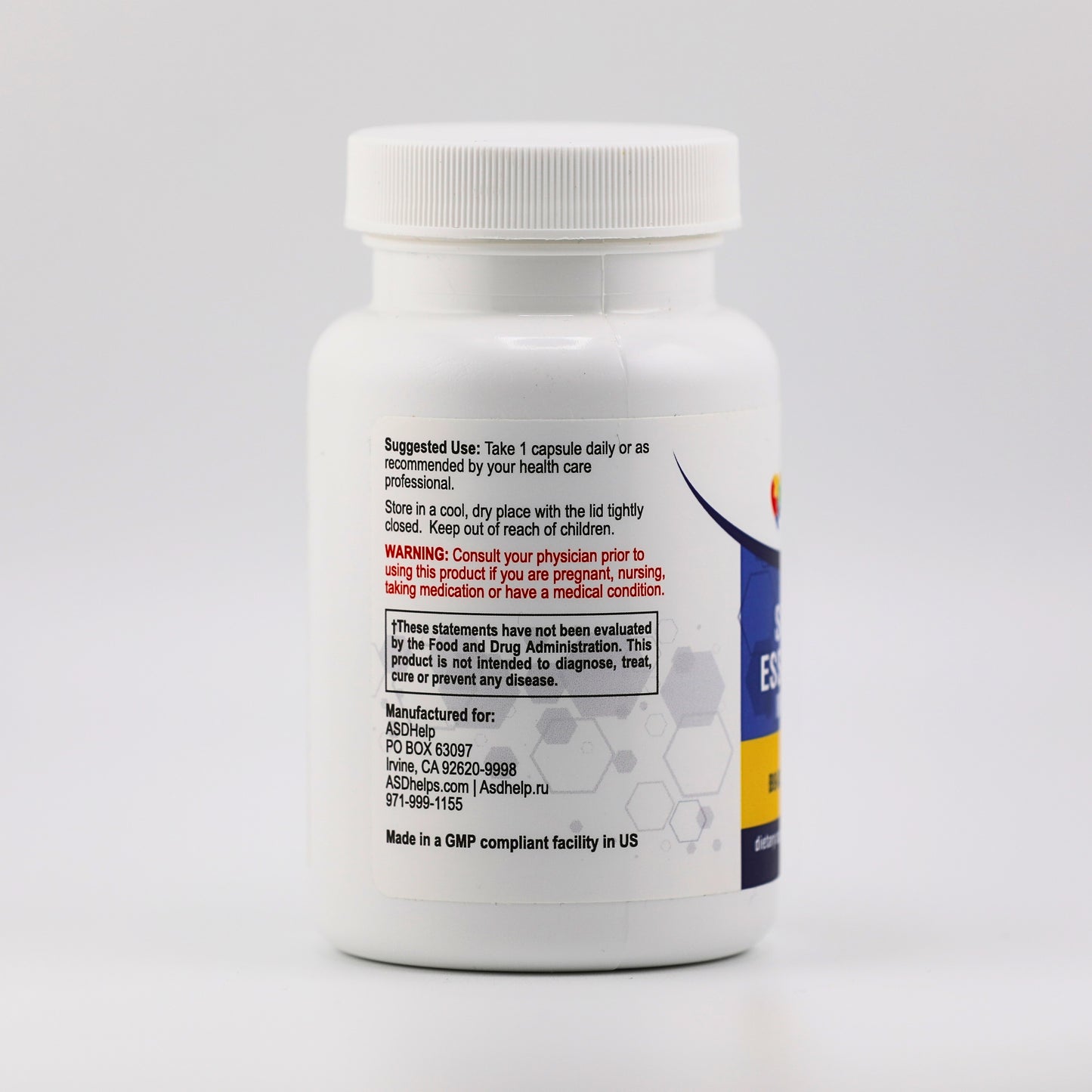
One point here is more than academic. The American Academy of Pediatrics warns that high-dose folinic acid can mask the blood signs of a B12 deficiency, the very signs a doctor would otherwise use to catch it. That cuts in favor of not running high-dose folate without B12 in the picture, and of keeping a clinician involved who can check B12 status directly rather than assuming the blood count would reveal a problem.
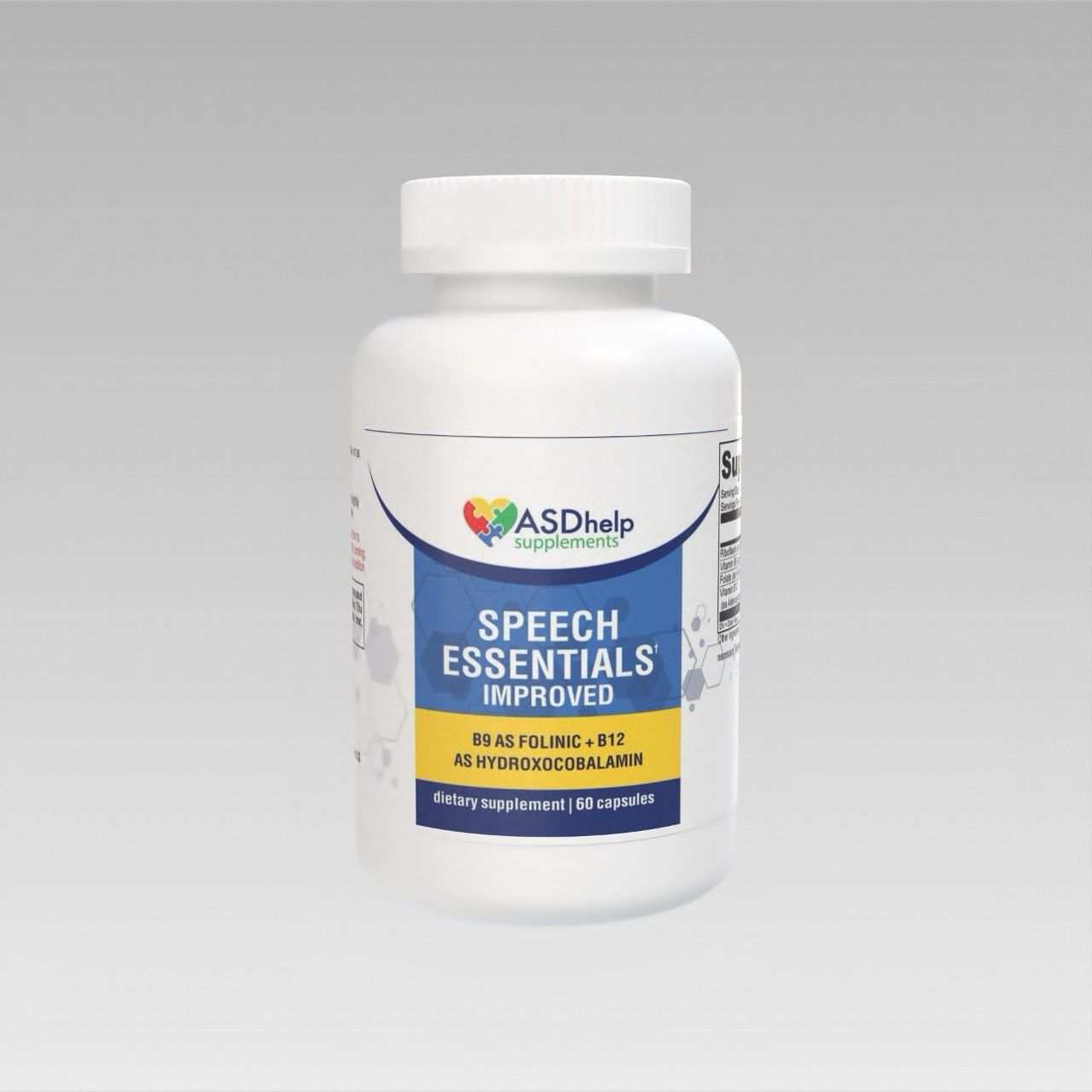
Beyond that, the practical advice is the usual: read the facts panel for the actual B12 form, keep your provider informed, and don't stack multiple B12 products without telling them. If you want a folinic acid formula that already pairs adenosyl and hydroxocobalamin, that's what Speech Essentials Improved is; see how it compares to the Pro version.
Questions to take to your doctor
Ask whether your child's B12 status has been checked directly, and whether high-dose folate could be hiding a low level. Ask which B12 form makes sense for a child who's sensitive to stimulation. If you've read about methylcobalamin injections, ask what the research really showed and whether it's relevant to your child. And ask how B12 and folate should be dosed together rather than one at a time.
Sources
Zhang Y et al. PLOS ONE 2016, PMC4723262 · Rossignol DA, Frye RE. J Pers Med 2021 (B12 meta-analysis), PMC8400809 · Zwierz K et al. Nutrients 2025, PMC11990331 · James SJ et al. AJCN 2009, PMC2647708 · American Academy of Pediatrics clinician FAQ on leucovorin in autistic patients (aap.org). Panda PK et al. Eur J Pediatr 2024 (PMID 39243316) is retracted and is not cited.
These statements have not been evaluated by the Food and Drug Administration. Speech Essentials is a dietary supplement and is not intended to diagnose, treat, cure or prevent any disease. This article is educational and is not medical advice.