Ask a room of parents who've been down the folinic acid road what surprised them most, and a lot of them will say the same thing: the diet part. Not the supplement, the milk. There's a thread in the research connecting cow's-milk proteins to the very antibodies that block folate from reaching the brain, and it changes how you think about the whole plan. It's also easy to overstate, so we want to lay it out with the numbers attached and the caveats intact.
What the study actually measured
The key work is Ramaekers and colleagues, published in Developmental Medicine and Child Neurology in 2008. They studied children with cerebral folate deficiency and folate-receptor antibodies, and they watched what happened to those antibody levels when milk came out of the diet and, later, when it went back in.
The movement was hard to miss. On a milk-free diet, folate-receptor-blocking antibody titers fell from about 2.08 to 0.35 pmol per milliliter. When cow's milk was reintroduced, the titers climbed to about 6.53, higher than where they'd started. The antibodies rose and fell with the exposure, which is a stronger kind of evidence than a single snapshot, because the same children served as their own comparison.
Why "associated with" is the honest phrase
We're going to keep saying "associated with," not "causes," and the distinction is worth a moment. This was a study in children who already had cerebral folate deficiency, and the numbers describe a link that moved in both directions with diet. That's a real and repeatable association. It is not the same as proving that milk causes these antibodies in every child, or that removing milk will lower them in yours.
So the accurate takeaway is narrower than the headline version. In children with this specific problem, cow's-milk proteins look like one trigger of the immune response, and pulling them can coincide with lower antibody levels. We can't promise that outcome for any individual child, and anyone who does is going past what the evidence supports.
The lactose problem hiding in the pill
Here's a wrinkle most people never notice. Prescription leucovorin tablets are typically made with lactose as a filler. Lactose is a milk sugar, not a milk protein, and for most children it's a non-issue at the tiny amounts in a pill.
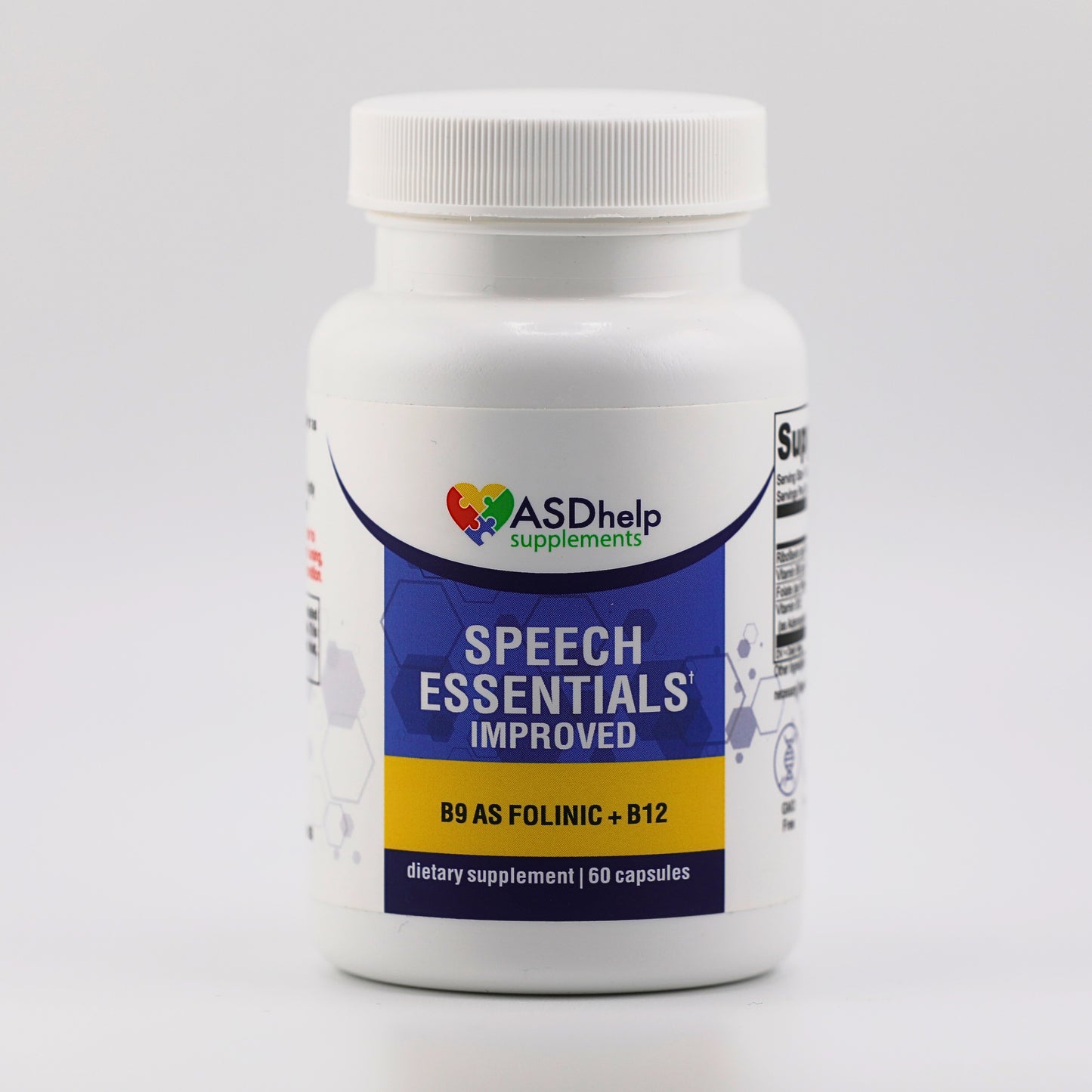
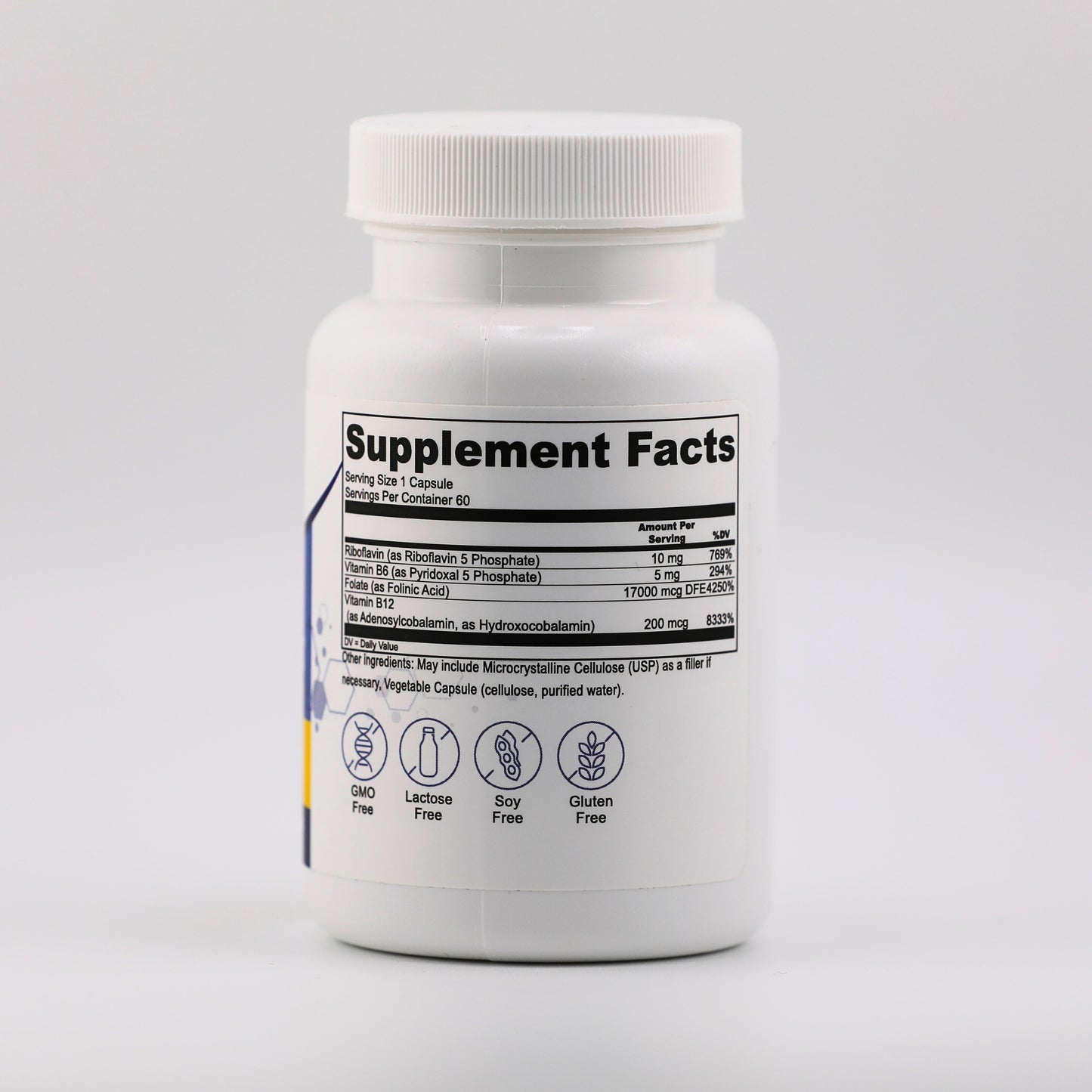
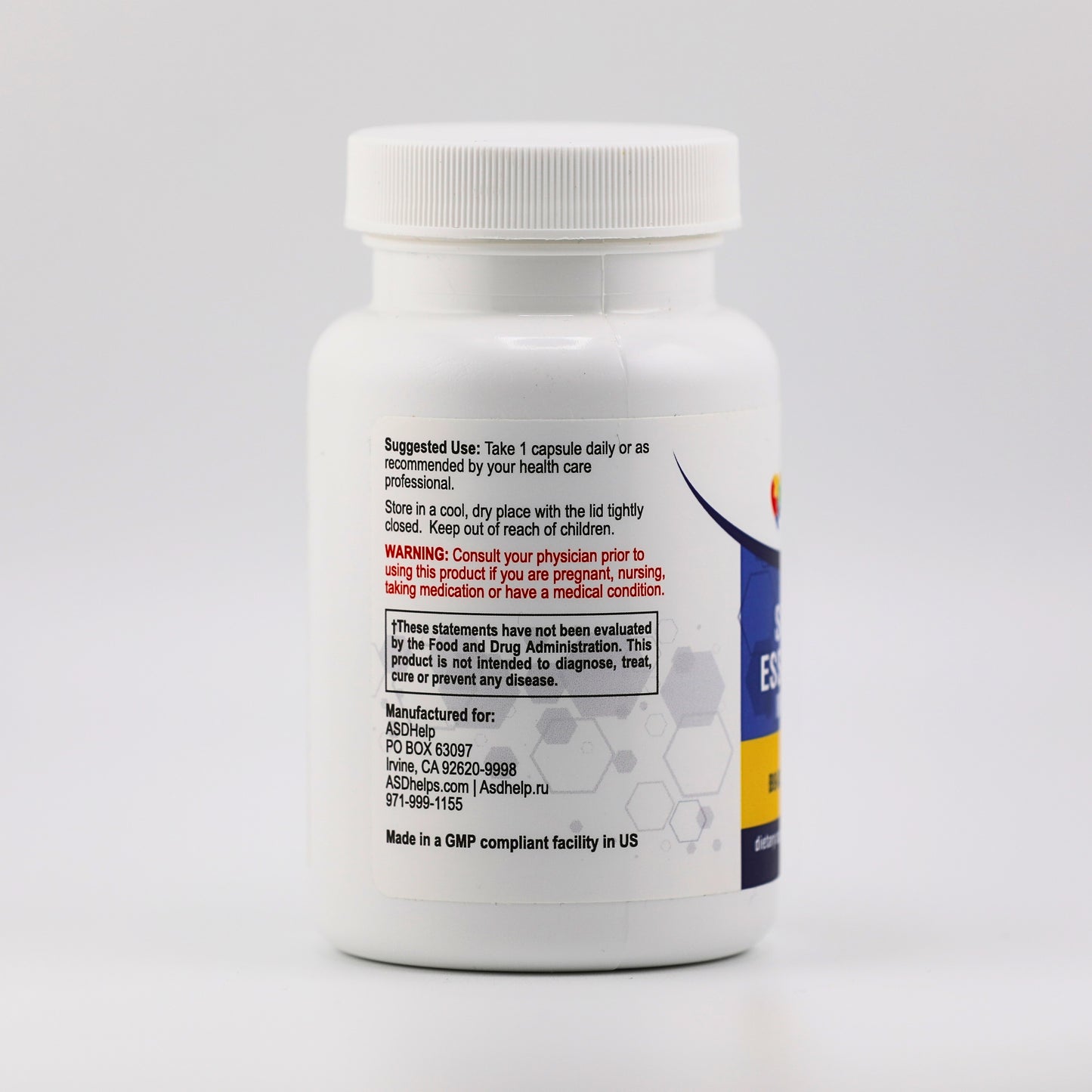
But if you've just spent months getting cow's milk out of your child's diet because their antibodies react to it, dosing them daily with a lactose-containing tablet is at least worth a second look with your provider. The amount is small. The logic of a clean, milk-free approach still argues for choosing a lactose-free form where you can, especially in the children whose whole reason for being on folinic acid is a milk-linked antibody problem. Our Speech Essentials capsules are made without lactose for exactly this reason; see the formulas.
How we see it
We sell a lactose-free folinic acid supplement, so the milk-free angle happens to suit us. We'll still tell you where it stops.
The dairy evidence is genuinely interesting and it comes from careful work, but it's one line of research in a small field, focused on children who already have folate-receptor antibodies. It doesn't mean every autistic child should go dairy-free, it doesn't mean dairy caused your child's difficulties, and it isn't a reason to make a sweeping diet change on your own. Milk is also a real source of calories, protein, and calcium for a growing child, and pulling it carelessly can create a nutrition problem while you're trying to solve a different one. This belongs in a plan with a clinician, not in a panic after reading an article.
What it means in practice
If you and your provider decide to trial dairy removal, do it as a deliberate trial, not a guess. Pick a defined window, a few weeks at least, and decide beforehand what you're watching for and how you'll feed your child the calcium and protein that milk was providing. Read labels, because milk protein hides in more foods than the obvious ones. Consider testing for folate-receptor antibodies first if you haven't, since a positive result makes the milk connection more relevant to your child specifically. And if you're on prescription leucovorin, ask your pharmacist or doctor about the lactose filler rather than assuming it's fine or assuming it's a crisis.
One trial, one change at a time. If you remove dairy and start a supplement and drop folic acid all in the same week, you won't know which move did what.
Questions to take to your doctor
Ask whether a folate-receptor antibody test makes sense before you change anything, so the diet decision rests on your child's actual biology. Ask how to remove dairy without shorting your child on calcium, protein, and calories, and whether a dietitian should be involved. Ask about the lactose in any tablet your child takes. And agree on a time frame and a set of things to watch, so the trial gives you an answer instead of a hunch.
Sources
Ramaekers VT et al. Dev Med Child Neurol 2008, PMID 18355335 · Ramaekers VT et al. Biochimie 2016, PMID 27068282 · Rossignol DA, Frye RE. J Pers Med 2021, PMC8622150. Panda PK et al. Eur J Pediatr 2024 (PMID 39243316) is retracted and is not cited.
These statements have not been evaluated by the Food and Drug Administration. Speech Essentials is a dietary supplement and is not intended to diagnose, treat, cure or prevent any disease. This article is educational and is not medical advice.