If you follow autism news, the past year has been loud and hard to read. A federal announcement in September 2025, a rush of new prescriptions, a drug shortage, then an FDA approval in March 2026. Somewhere in all that noise, a lot of parents came away believing the government had approved a medicine for autism. That isn't what happened, and the space between the headline and the actual decision matters for how you spend your money and your hope.
What happened in September 2025
On 22 September 2025 the FDA Commissioner said the agency would begin the process of approving leucovorin, the prescription form of folinic acid (also sold as calcium folinate), for cerebral folate deficiency "associated with autism." The words traveled faster than the science behind them.
The response was immediate. Outpatient leucovorin prescriptions rose 71% in the weeks that followed, according to a Lancet analysis cited by STAT, and the drug slipped into shortage. Parents who had never heard of folate receptors were suddenly asking pediatricians for a fifty-year-old cancer-rescue drug, and pharmacies couldn't always fill the scripts.
What the FDA actually approved in March 2026
On 10 March 2026 the FDA approved Wellcovorin (leucovorin calcium) tablets, made by GSK, for the "treatment of cerebral folate deficiency in adult and pediatric patients who have a confirmed variant in the folate receptor 1 gene." That gene is usually written FOLR1, and the condition is sometimes called CFD-FOLR1.
The approval rested on a review of the published literature, mostly case reports plus the mechanism itself. In the historical dataset the agency looked at, 87% of patients had a clinical response and 80% saw their cerebrospinal-fluid 5-MTHF, the brain's usable folate, return to normal. The FDA's own summary put it plainly: this action "may benefit some individuals with FOLR1-related cerebral folate transport deficiency who have developmental delays with autistic features."
What it did not approve
Read that sentence again, because the agency chose every word with care. The approval covers a specific transport deficiency confirmed by a FOLR1 gene variant. It does not cover autism. Officials said they deliberately narrowed the review to uses backed by stronger evidence, and that the evidence for autism in general remained insufficient.
So a child can have autism and not have a FOLR1 variant, and that child is outside the approval. The condition the FDA named is rare and gene-defined. The overlap with autism is real but partial, and the label reflects exactly that and nothing more.
What the AAP tells pediatricians
The American Academy of Pediatrics gives its members the same message in plainer clothes. The evidence for leucovorin in autism is limited; the trials have fewer than 100 patients each; there is no large multicenter phase 3 study. In the academy's words, "current evidence is insufficient to support prescribing leucovorin for autism in the absence of CFD."
The AAP also spells out how researchers have used the drug: doses from 0.5 to 2 mg per kilogram per day, usually capped near 50 mg, started low (around 5 mg twice daily or less) and raised slowly. We report those numbers because you'll see them quoted, not as a recipe; any weight-based protocol belongs with the clinician who knows your child's labs and medications. The academy adds two cautions worth carrying with you. There is no FDA-cleared test for folate-receptor antibodies, so no single test result should decide everything. And the effect of leucovorin, it notes, can be positive, neutral, or negative, which is the whole reason it says the drug should be given under careful medical watch.
Same molecule, different category
Here is the point that trips almost everyone. The folinic acid in a supplement and the folinic acid in leucovorin are the same molecule. That sameness does not make them the same thing to your pharmacist or to the law.
Leucovorin is a prescription drug: a fixed dose, a manufacturer held to drug-manufacturing standards, and a doctor deciding whether your child should take it. The AAP even notes that prescription leucovorin has "ready bioavailability compared with over-the-counter folate supplements." A folinic acid supplement sits in the food category. You can buy it without a prescription, and the responsibility for using it well shifts onto you and whoever guides your child's care. Neither replaces the other on a whim. If your child already takes a prescription, don't swap it for a supplement, or a supplement for it, without the prescriber in the room.
How we see it
We sell a folinic acid supplement, so weigh what follows with that in mind. The March 2026 approval is genuinely good news for the underlying science. It confirms that this molecule does what the folate-receptor research predicted, at least in children with a confirmed FOLR1 variant, and it puts a serious regulator's name on that mechanism.
It is not a green light for autism, and we won't dress it up as one. The approved use is narrow, the autism evidence is thin by the FDA's own reading, and the honest description of folinic acid in a broader autism population is "promising in a subgroup, unproven at large." That's a reason to talk to your doctor and to track what you actually see in your child, not a reason to expect a headline result.
What it means in practice
Start with a conversation, not a purchase. Ask whether testing for folate-receptor antibodies makes sense for your child, understanding it isn't FDA-cleared and won't settle the question alone. If you and your clinician decide to try folinic acid, the practical details that the research points to are the form of folate, the excipients, and the diet around it. Leucovorin tablets are typically made with lactose, which matters for children whose antibodies react to milk proteins, so a lactose-free capsule is the cleaner option for them.
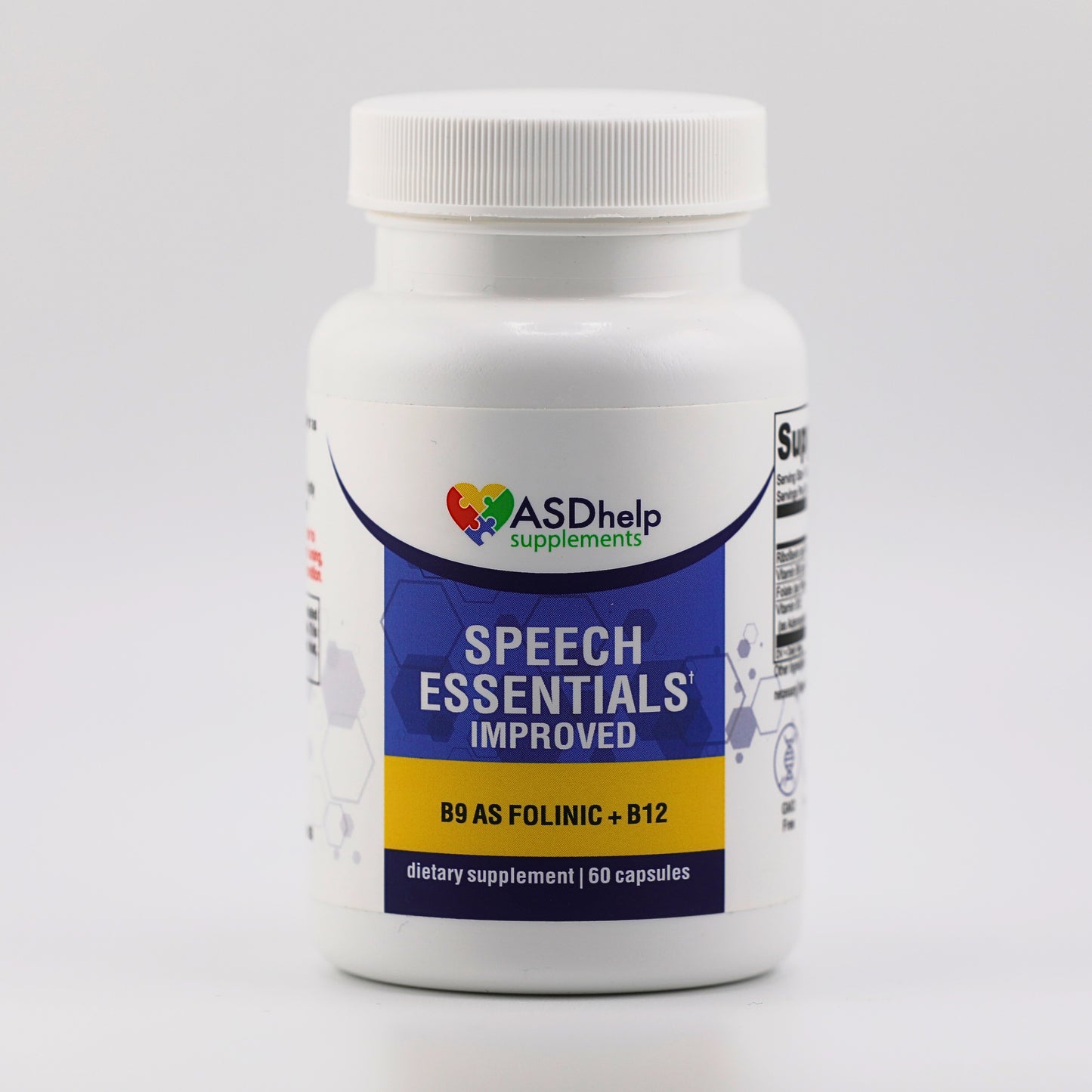
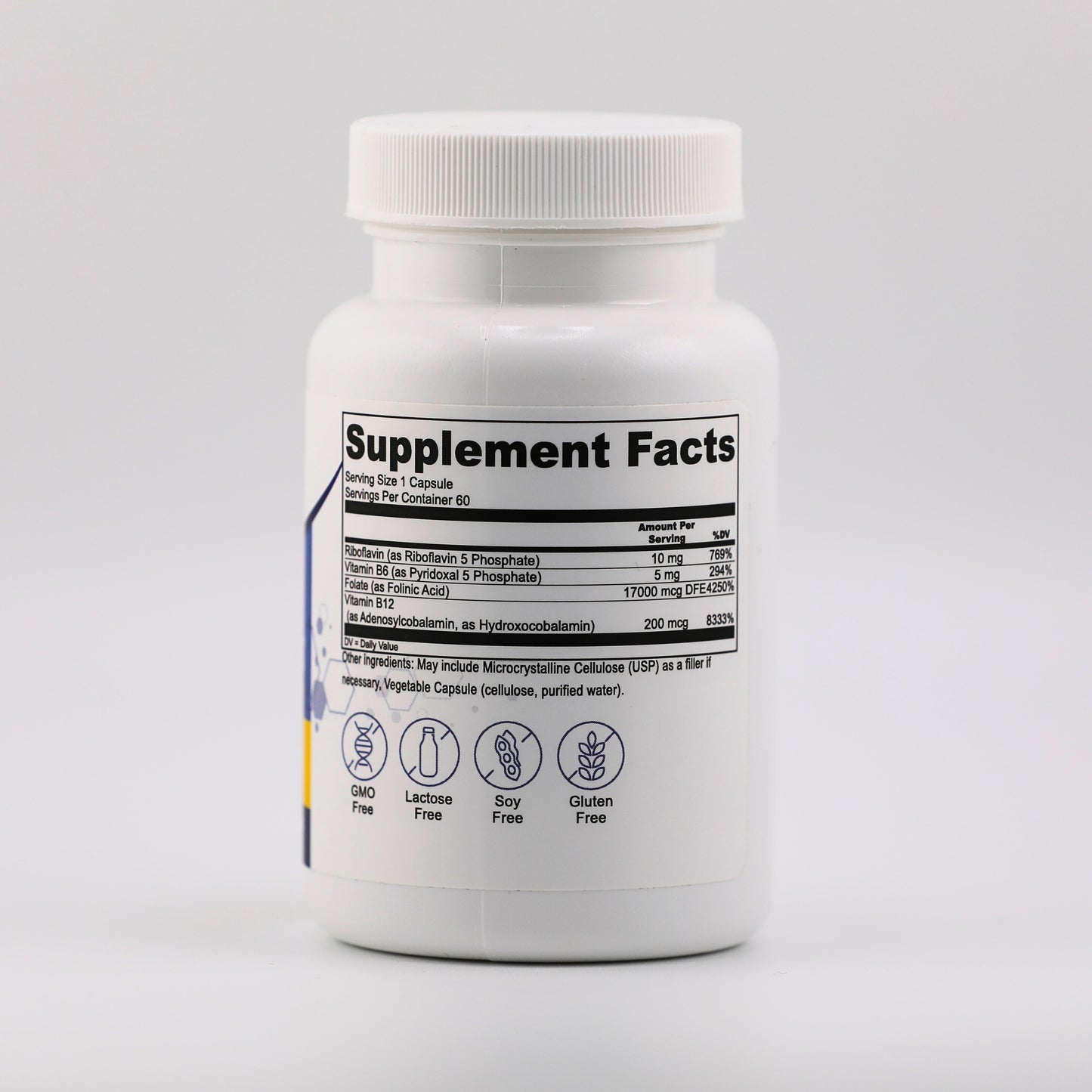
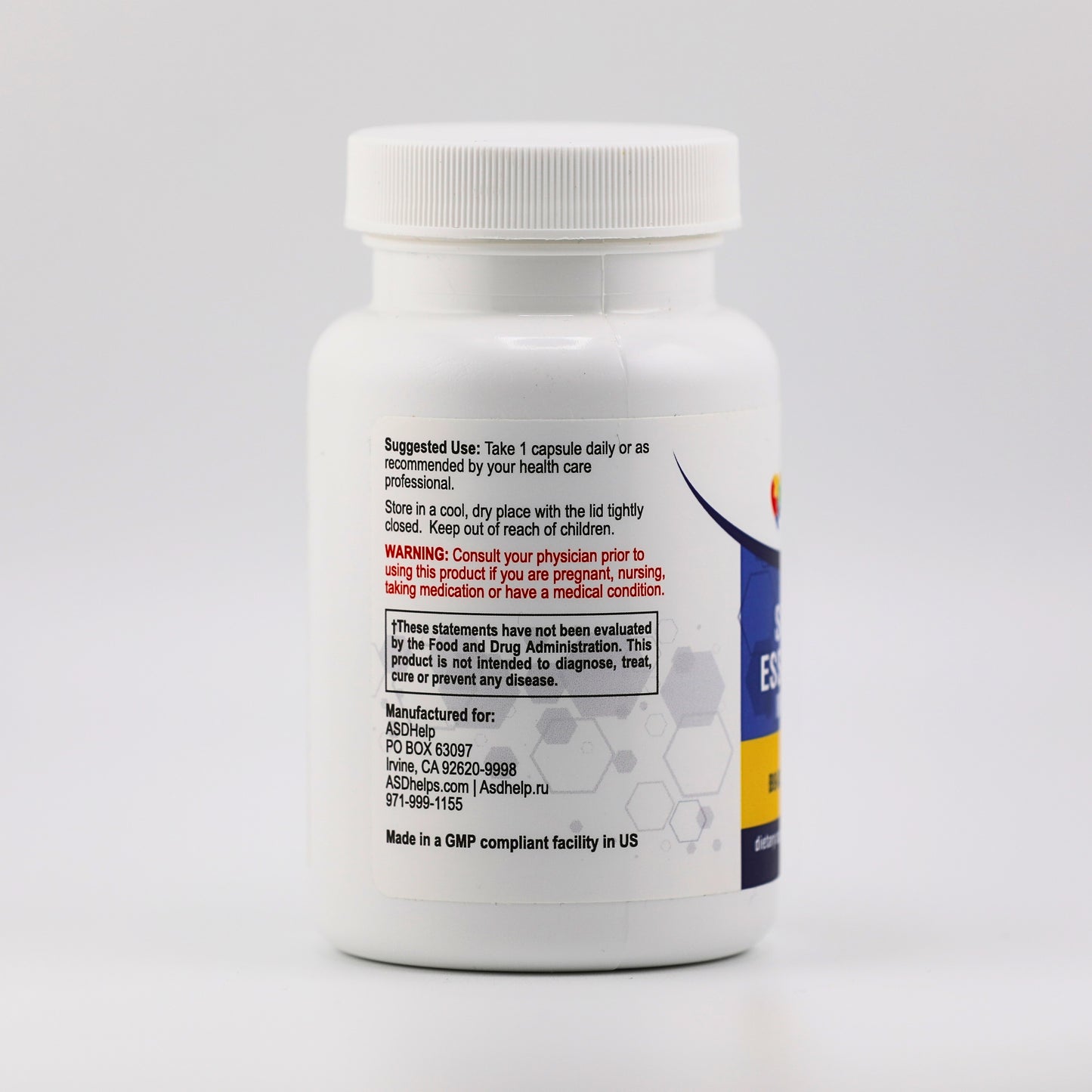
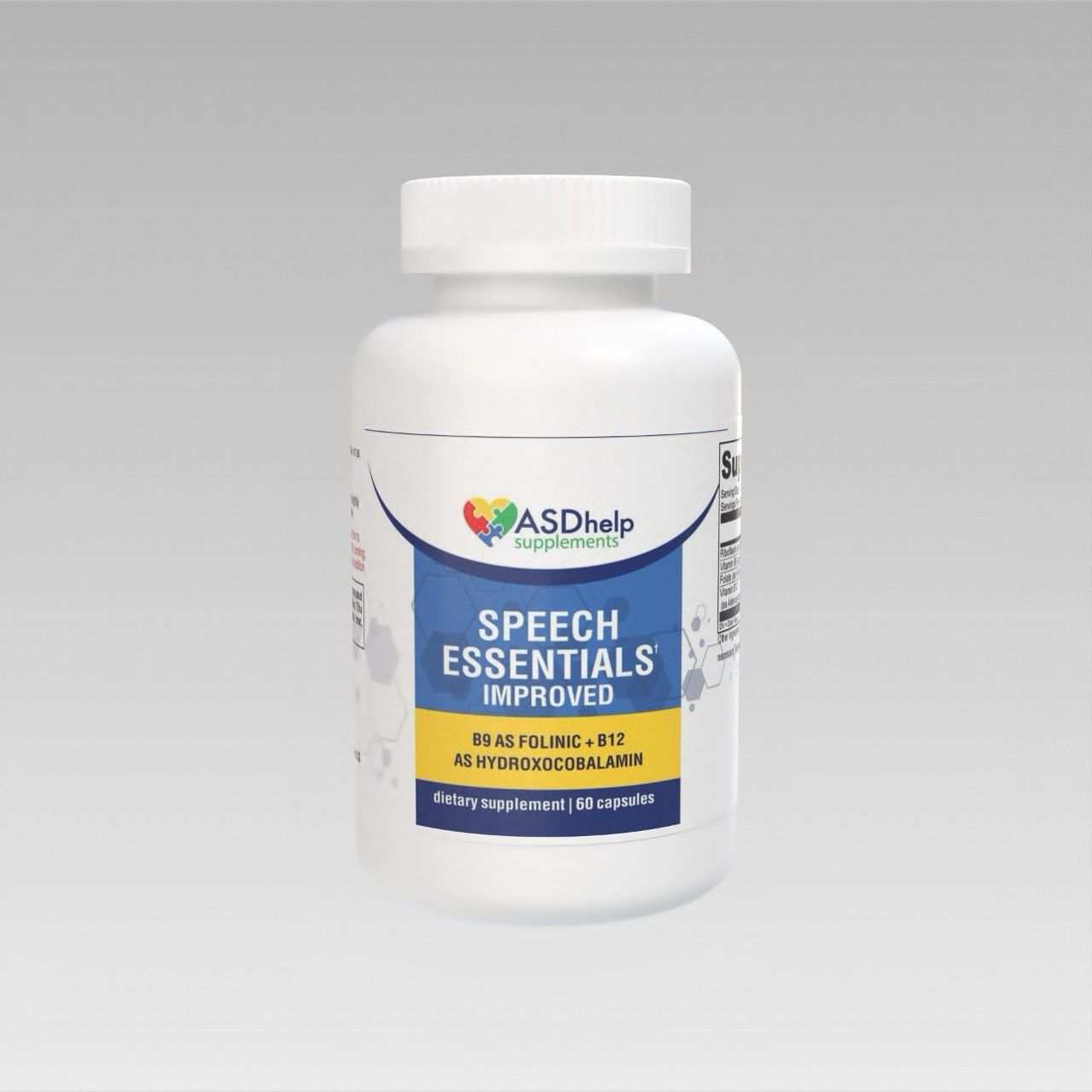
If you go the supplement route with your clinician's knowledge, our Speech Essentials Improved is a lactose-free folinic acid formula built around this research; see which formula fits. Whatever you choose, keep it separate in your mind from the prescription decision, which is your doctor's to make.
Questions to take to your doctor
Ask whether your child fits the approved use at all, meaning a confirmed FOLR1 variant, or whether you're considering folinic acid off the strength of the broader autism research. Ask if a folate-receptor antibody test would change the plan, and how much weight to put on the result. Ask how they'd start and go slow, what a temporary reaction might look like, and what would tell you to stop. And bring the full list of everything your child takes, since leucovorin and supplements both interact with other treatments.
Sources
FDA press release, "FDA approves first treatment for patients with cerebral folate transport deficiency," 10 March 2026 · FDA Commissioner announcement, 22 September 2025 · STAT and CNBC coverage, 10 March 2026 · Lancet prescription analysis cited by STAT · American Academy of Pediatrics clinician FAQ, use of leucovorin in autistic patients (aap.org). Panda PK et al. Eur J Pediatr 2024 (PMID 39243316) is retracted and is not cited here.
These statements have not been evaluated by the Food and Drug Administration. Speech Essentials is a dietary supplement and is not intended to diagnose, treat, cure or prevent any disease. This article is educational and is not medical advice.